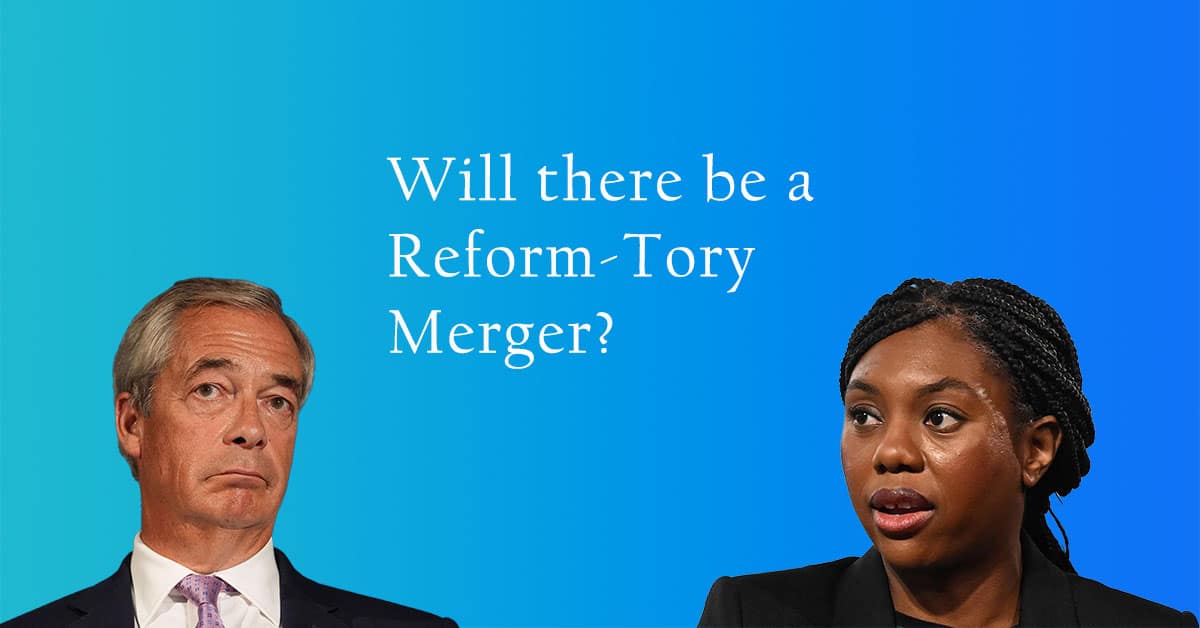
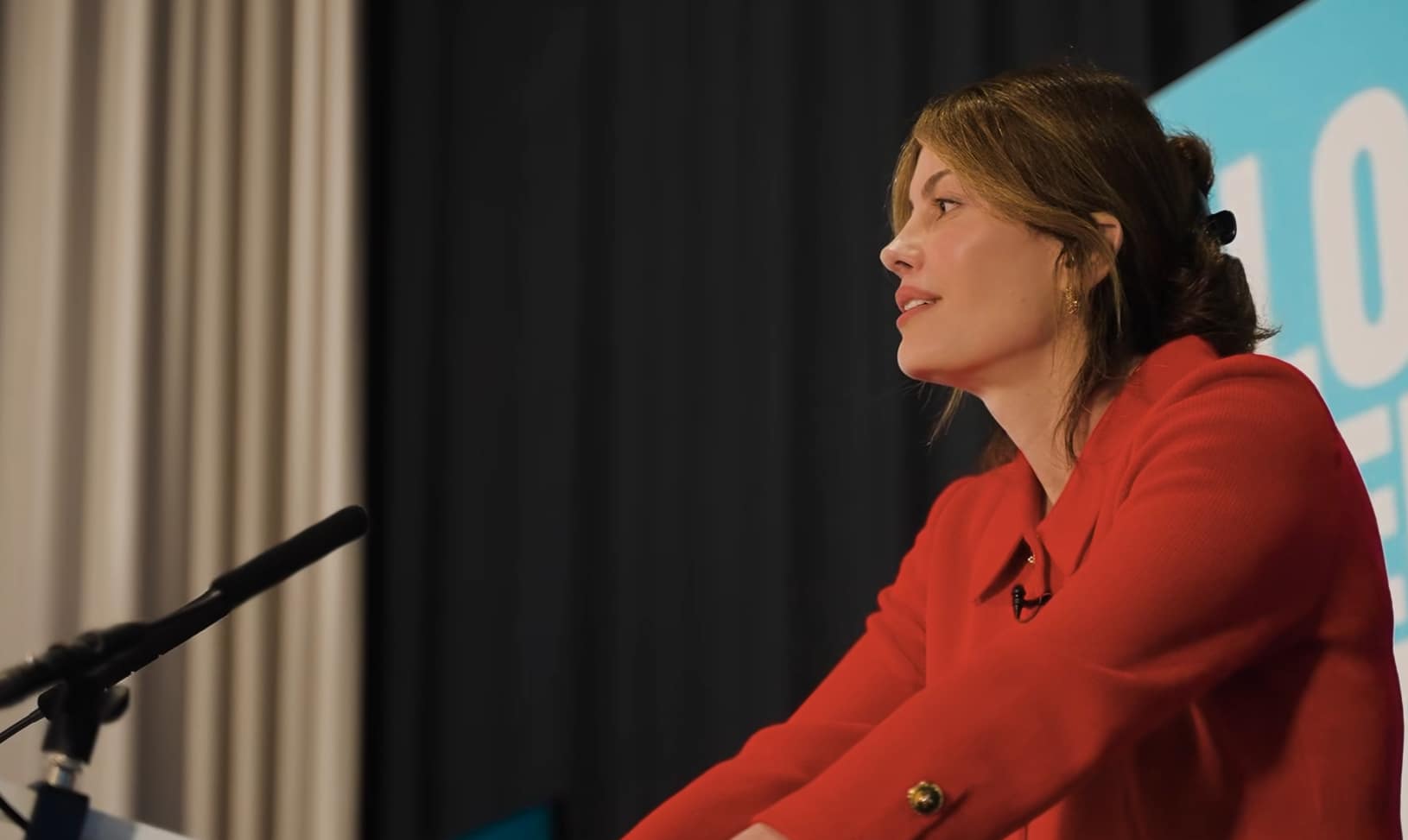
So, who is she?
When Reform UK unveiled Laila Cunningham as its pick for the next London mayoral election, it did more than launch a candidate — it launched an argument. Cunningham is the kind of figure who scrambles the usual political shortcuts: a Westminster councillor, a former prosecutor, and now the face of Nigel Farage’s attempt to muscle into City Hall.
She’s already polarising. To supporters, she’s a straight-talker on crime and competence. To critics, she’s a candidate who “talks London down” — language that blew up immediately after her selection was announced (see The Guardian’s report on the reaction).
Early Life and Background
Laila Cunningham was born in Paddington, London, in the late 1970s to Egyptian immigrant parents who arrived in Britain in the 1960s. Her upbringing in a working-class, immigrant family helped shape her worldview — politically engaged and deeply aware of both opportunity and social tension in modern Britain.
Raised in the capital she now hopes to lead, Cunningham went on to train and work as a lawyer — specifically as a prosecutor with the Crown Prosecution Service (CPS). Her legal career was substantial enough to mark her early professional identity, and she eventually specialised in criminal prosecution before entering the political arena.
She is a mother of seven, including children from her first marriage and those from her husband’s previous family, which adds a personal, family-focused dimension to the image she projects in her political life.
Business Ventures
Between her time in law and politics, Cunningham also tried her hand in the business world. After her divorce, she engaged in freelance legal work and later attempted to launch an app aimed at supporting self-employed women to organise work groups from their homes. That entrepreneurial chapter included time spent in Los Angeles developing the project.
Not all of these ventures were smooth sailing. Some of her companies were later struck off for administrative breaches, something critics highlighted as a blemish on her business record. Reform UK defended these lapses as common among small or dormant firms and not reflective of intentional wrongdoing.
From Conservative Councillor to Reform UK
Cunningham’s formal political career began with the Conservative Party, inspired in part by her mother’s own political leanings and a personal admiration for figures like Margaret Thatcher.
- In 2018 she first stood as a Conservative candidate locally, without success.
- In May 2022, she was elected as a Conservative councillor for Lancaster Gate on Westminster City Council.
Over time, however, she grew disillusioned with the mainstream Conservative leadership — particularly on issues like immigration, taxation, and law and order — and in June 2025 she defected to Reform UK, becoming the party’s first sitting councillor in a London borough.
Her defection was not without controversy. Colleagues in the Conservatives accused her of poor attendance and commitment, claims she denied. Her move also came as she was still technically serving as a CPS prosecutor — a role meant to be apolitical. After making political statements publicly, she resigned from the CPS rather than face potential disciplinary action.
Policy Positions and Public Persona
Since joining Reform UK, Cunningham has positioned herself as a tough-on-crime, no-nonsense voice. She argues that London has become unsafe and needs a dramatic reset on law enforcement priorities. That messaging has become central to her campaign narrative — often framed around knife crime, drugs, robberies and policing reform.
Cunningham has also made controversial comments about multiculturalism, immigration and how British identity should be reflected in public life, at times drawing strong pushback from other political leaders and commentators. Some of her remarks have been interpreted as feeding into far-right narratives, even as she herself emphasises that migrants who contribute to society are welcome.
Her positions on issues like the Ultra Low Emission Zone (ULEZ) — which she has publicly pledged to scrap — and broader transport priorities reflect Reform’s broader platform of smaller government, lower costs and a rollback of environmental and regulatory measures that they argue hurt everyday Londoners.
2028 Mayoral Candidature: Announcement and Reactions
On 7 January 2026, Reform UK formally unveiled Cunningham as its candidate for the 2028 London mayoral election, making it the first party to name a challenger so far ahead of the contest. The event, held in London Bridge with party leader Nigel Farage, was a clear signal that Reform wants to shake up the traditional Labour–Conservative battle for City Hall.
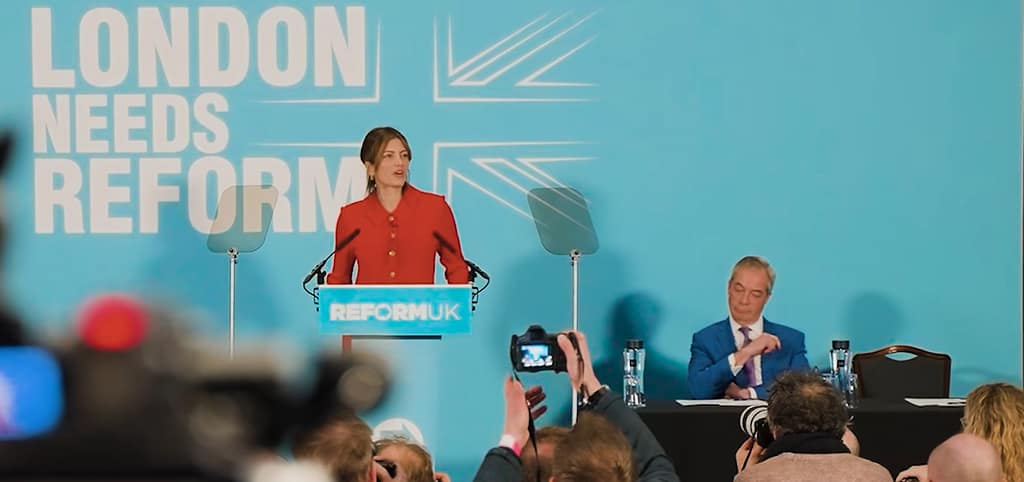
Farage praised her as “articulate, passionate and a mother,” and emphasised her role as a central figure in Reform’s London strategy. A local account of the unveiling (including the setting and the campaign mood music) came from Southwark News. The national framing — Reform pitching London as sliding into disorder — was captured more bluntly in the Evening Standard’s launch report and in The Guardian’s coverage of the backlash.
The response from the wider political class has been mixed:
- Labour and Liberal Democrats have criticised her characterisation of London as unsafe and divisive, arguing that it sells short the city’s diversity, economic dynamism and progress on areas like pollution and housing.
- Supporters of Reform and parts of the right-leaning press have welcomed her candidacy as authentic and grounded — especially on concerns about public safety and local governance.
- Some commentators have acknowledged that her very person — a Muslim woman of immigrant background running for an anti-immigration party — complicates simple categorisations and reflects broader societal debates about identity, policy and belonging.
What This Means for London Politics
Cunningham’s candidacy highlights two trends in UK politics:
- Smaller parties are bolder about picking high-profile challengers early.
- London’s mayoral race is increasingly about narratives — safety, identity, economic pressures — as much as it is about policy details.
Whether she can translate that narrative into a meaningful challenge in 2028 remains to be seen. But in the meantime, Laila Cunningham has already reshaped the conversation around what a London mayoral campaign looks like in the post-Brexit, post-Covid era — and what voters may be grappling with in the years ahead.