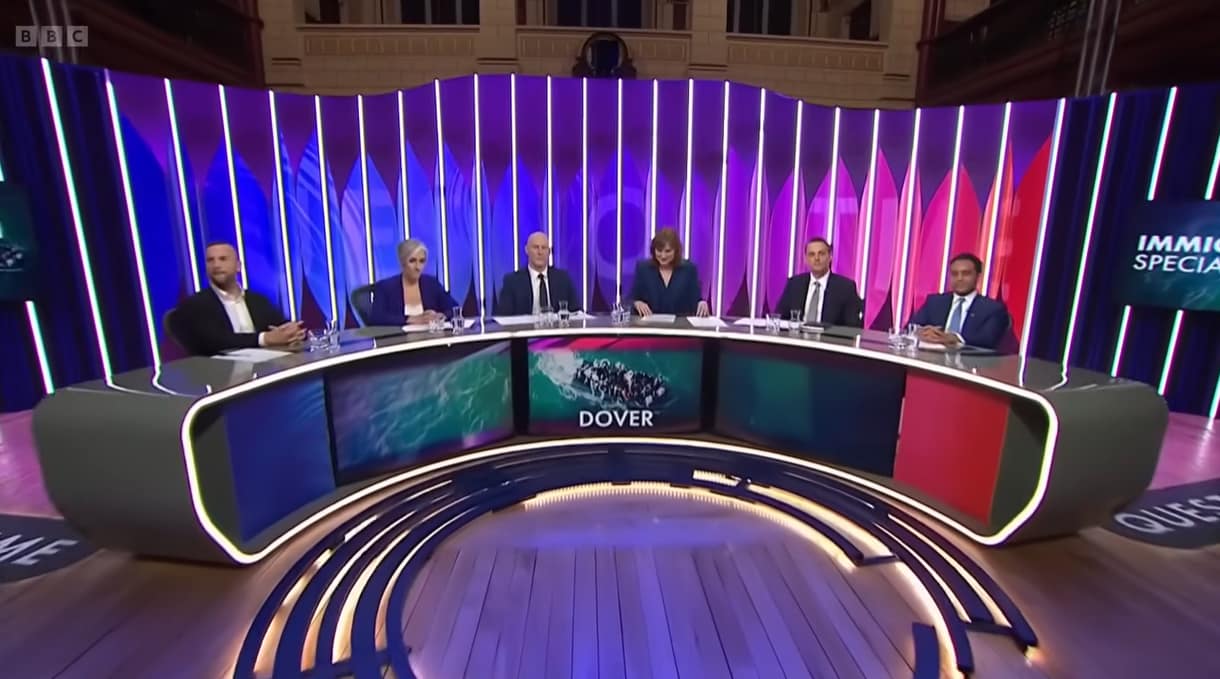
BBC Question Time/ Zia Yusuf Controversy: The special immigration edition of BBC Question Time broadcast on 4 December 2025 has triggered a row between Reform UK and the BBC. At the centre of it is Zia Yusuf, Reform’s policy chief, who says he was “ambushed” by the programme’s decision to include people described as “illegal migrants” in the studio audience.
Who is Zia Yusuf — and why this appearance stirred up a storm
Zia Yusuf appeared on the panel for a Question Time focused on immigration, asylum and small-boat crossings. According to his account, he was told only shortly before filming that the audience included people who had arrived in the UK illegally. He argues that this fundamentally skewed the discussion and breached the BBC’s duty of balance.
During the programme, Liberal Democrat deputy leader Daisy Cooper pushed back strongly on Reform’s narrative, arguing that small-boat arrivals surged after Brexit and that it is wrong to blame earlier governments for a problem that, in her view, is closely linked to leaving the EU. Her intervention set the tone for a series of sharp exchanges on the causes of the Channel crisis.
After the programme, Yusuf said he was stunned by what had happened:
“How on earth can it be deemed appropriate that people who broke into this country illegally should have a seat at the table?”
“I genuinely had to sit there and just try to reassure myself that this did actually happen. I felt like I was on The Truman Show or something.”
On the night, one particularly tense moment came when an audience member asked about migrant care workers who had spent years in the UK and what would happen to them in retirement. Would they face deportation when they stopped working? Yusuf responded sharply:
“So if you had paid attention to what we were announcing, you would not have that view.”
The line drew gasps and groans, with someone in the audience audibly shouting back, “That’s rude.” Clips circulated on social media with many calling Yusuf’s tone arrogant and needlessly confrontational, while supporters argued he was simply pushing back against a misleading question.
What Yusuf says now: the complaint and his criticism of the BBC
In the hours and days after the broadcast, Yusuf doubled down on his criticism of the programme and confirmed that Reform UK had lodged a formal complaint with the BBC. He said the corporation had failed to create a fair environment for debate and had effectively stacked the deck against his party.
“How did they manage to stack up so many people who gave rapturous applause to open-borders advocates talking about more immigration? The whole thing was incredibly surreal. I think it is frankly, a scandal.”
In that clip, Yusuf questions how representative the Question Time audience was of public opinion and argues that a clear majority of the country supports much tougher action on illegal migration and large-scale deportations. For him, the controversy is not just about one awkward TV appearance but evidence of a deeper bias in how immigration is framed by public service broadcasters.
Reaction from within Reform UK: Tice and Farage weigh in
Senior figures in Reform UK quickly rallied around Yusuf. Party leader Richard Tice accused the BBC of using licence-fee money to stage-manage a hostile audience and undermine a party that is rising in the polls on a hard-line immigration platform.
Tice echoed Yusuf’s language about an “ambush”, insisting that no mainstream party would accept a similar set-up without protest and that Reform was right to push back. He framed the issue as one of basic fairness: if the programme wanted to include people with direct experience of illegal entry, it should have been made clear to all participants from the outset.
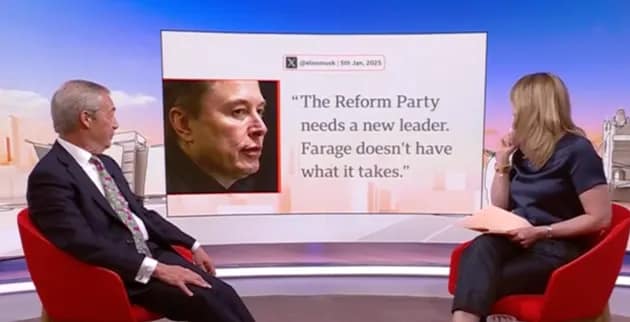
Nigel Farage, the most prominent Reform figure despite not appearing on the programme, also seized on the row. He has long accused the BBC of treating him and his parties unfairly, from UKIP to the Brexit Party and now Reform. The Question Time immigration special gave him another opportunity to criticise what he sees as entrenched liberal bias at the broadcaster.
Farage argued that putting people who have arrived illegally into the audience of a flagship political debate crosses a line. He suggested that doing so normalises law-breaking and turns serious questions about border control into emotional theatre.
Broader reactions and why this matters
The clash has reignited familiar arguments about how immigration is discussed in the UK. One side says the BBC was right to ensure that people with direct lived experience of the asylum system were present and able to respond to political claims about them. The other insists that platforming people who have broken immigration rules, especially without full context, risks turning a serious debate into a one-sided spectacle.
Media-watchers have also pointed out that Question Time has long relied on a combative format. Politicians often complain about the make-up of the audience when the mood goes against them, while the programme’s defenders say that complaints tend to surface most loudly from whichever side has had the toughest night.
What makes this episode stand out is the combination of three elements: the sensitivity of small-boat crossings, the presence of people described as “illegal migrants” in the audience, and the sharpness of Yusuf’s on-air exchanges. Together, they created a flashpoint that both Reform and its critics have been quick to exploit.
Conclusion: a flashpoint in the media–immigration battle
The 4 December 2025 edition of BBC Question Time has become more than just another tense night in the studio. For Zia Yusuf, it was an experience he describes as an “ambush” and one that has now become a formal complaint. For Richard Tice and Nigel Farage, it is fresh ammunition in a long-running campaign against what they see as establishment media bias on immigration and national identity.
For viewers and voters, the row raises bigger questions about fairness, representation and the role of broadcasters in shaping political debate. As the controversy continues, it is likely to be cited as a defining moment in the ongoing clash between Reform UK and the BBC.