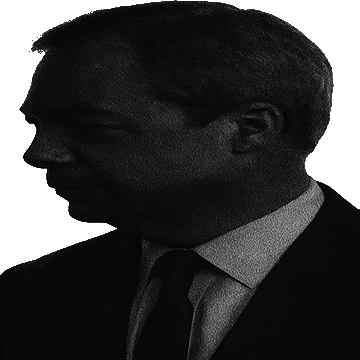

When Reform UK announced it had received £9 million from a single donor, many people asked the same question: who is Christopher Harborne – the man whose money has suddenly given Nigel Farage’s party the firepower of a major political force?
The donation is widely reported as one of the largest political gifts ever recorded from a living individual in the UK. It instantly made Reform the best-funded party in the country for that quarter, out-raising both Labour and the Conservatives according to Electoral Commission data, as reported by Reuters and the Financial Times.
From Westminster to Bangkok: career and life in Thailand
Christopher Charles Sherriff Harborne was born in December 1962 and educated at Westminster School before studying engineering at Downing College, Cambridge. He later completed an MBA at INSEAD. A brief outline of his background appears on his Wikipedia profile.
He began his career at McKinsey & Company before moving to Asia, where he ran a research company and then moved into aviation and fuel trading. He is best known today as chief executive of Sherriff Global Group, which trades in private aircraft, and as owner of AML Global, a worldwide aviation fuel supplier described in this Desmog profile.
He has also built a substantial fortune through early investments in Bitcoin and through stakes in crypto-related companies, including a minority holding in the stablecoin issuer Tether and its affiliate Bitfinex. A recent explainer from Sky News summarises his route from aviation fuel to digital assets.
Harborne has lived for around two decades in Thailand, where he holds dual British-Thai citizenship and is known under his Thai name Chakrit Sakunkrit. He remains a largely private figure based in Bangkok.
A history of big-money political donations
Before his donation to Reform UK, Harborne was already one of Britain’s significant political donors.
- He has donated around £1.5–£1.8 million to the Conservative Party, according to party and Electoral Commission records reported in the Evening Standard.
- In January 2023 he made a £1 million donation to Boris Johnson’s office, reported by The Guardian.
- In 2019 he became the major financial backer of the Brexit Party, giving more than £10 million according to UK media.
He is a major shareholder in the defence company QinetiQ, which later won an £80m Ministry of Defence contract. This link was explored by openDemocracy. There is no finding of wrongdoing, but the case is often cited in debates over donor influence.
His minority stake in Tether has also attracted scrutiny because of wider concerns raised by regulators and campaign groups about the role of stablecoins in illicit finance. Harborne denies wrongdoing and has previously taken legal action over media coverage of this area.
The £9 million donation to Reform UK
Harborne’s £9 million donation to Reform UK transformed the party’s finances. Electoral Commission filings show it is one of the largest political donations from a living individual and helped Reform raise over £10.5 million in a single quarter. Coverage from Sky News and The Guardian confirms this.
Reform UK has said the donation was made in cash rather than cryptocurrency and that Harborne sought no favours in return, a position repeated in interviews reported by The Independent.
The money allows Reform UK to fund national campaigning, strengthen its organisation and compete on a scale previously impossible for a small insurgent party.
Campaign groups including Transparency International UK and Spotlight on Corruption have warned that such vast individual donations raise concerns about disproportionate influence and have renewed calls for legal caps.
Why Christopher Harborne matters now
Harborne remains a private figure, but his financial support has already shaped major moments in recent British politics: from the Brexit Party to Boris Johnson to the sudden rise of Reform UK.
As long as UK law allows unlimited political donations, figures like Harborne – wealthy, globally mobile and largely unknown to the public – will continue to play a substantial role in determining who has the resources to be heard.